Benefits of Using Timber in Modern Architecture
Updated: Feb 27
Timber has long been a staple in construction, but its resurgence in modern architecture is more than just a trend. As architects and builders seek sustainable and aesthetically pleasing materials, timber stands out for its versatility, environmental benefits, and unique aesthetic appeal. This blog post explores the numerous advantages of using timber in contemporary architectural designs, showcasing its potential to transform spaces while promoting sustainability.

The Aesthetic Appeal of Timber
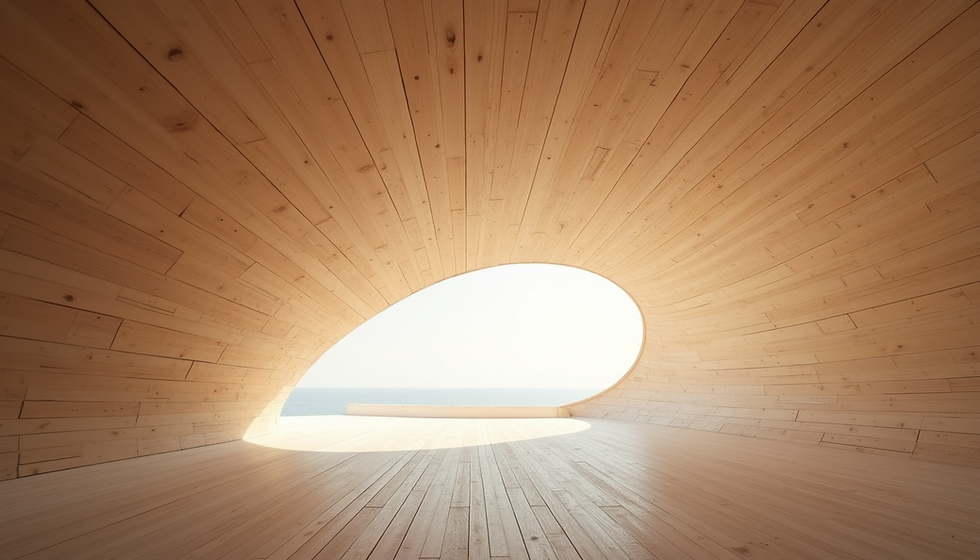
One of the most compelling reasons to use timber in architecture is its natural beauty. The warm tones and unique grain patterns of wood create an inviting atmosphere that many synthetic materials simply cannot replicate. Here are some key aesthetic benefits:
Natural Warmth: Timber adds warmth to spaces, making them feel more welcoming and comfortable.
Versatile Design Options: From sleek, modern lines to rustic charm, timber can be used in various architectural styles.
Unique Character: Each piece of timber is unique, offering a distinct character that enhances the overall design.
Case Study: The Timber House in Norway
A prime example of timber's aesthetic appeal is the Timber House in Norway, designed by architect Snøhetta. This residence showcases the beauty of timber through its striking façade and seamless integration with the surrounding landscape. The use of locally sourced wood not only enhances the home's visual appeal but also supports local economies and reduces transportation emissions.
Sustainability and Environmental Benefits
In an era where sustainability is paramount, timber emerges as a champion of eco-friendly building practices. Here are some reasons why timber is considered a sustainable choice:
Renewable Resource: Timber is a renewable resource when sourced responsibly from managed forests.
Carbon Sequestration: Trees absorb carbon dioxide as they grow, and using timber in construction helps store this carbon, reducing greenhouse gas emissions.
Lower Energy Consumption: Timber production generally requires less energy compared to steel or concrete, leading to a smaller carbon footprint.
Example: The Bullitt Center in Seattle
The Bullitt Center, often referred to as the greenest commercial building in the world, exemplifies the sustainable use of timber. This building incorporates cross-laminated timber (CLT) for its structure, significantly reducing its environmental impact while providing a beautiful, natural aesthetic. The Bullitt Center serves as a model for future sustainable architecture, demonstrating how timber can be effectively utilized in large-scale projects.
Structural Advantages of Timber
Timber is not only visually appealing and sustainable; it also offers several structural benefits that make it an excellent choice for modern architecture:
Lightweight: Timber is significantly lighter than steel or concrete, making it easier to transport and handle during construction.
High Strength-to-Weight Ratio: Despite its lightness, timber has a high strength-to-weight ratio, allowing for innovative designs and larger spans.
Flexibility: Timber can be easily shaped and modified, providing architects with the freedom to create unique forms and structures.
Innovative Use: The Treet Building in Norway
The Treet Building in Bergen, Norway, is a remarkable example of timber's structural capabilities. Standing at 14 stories, it is one of the tallest wooden buildings in the world. The use of timber not only showcases its strength but also highlights the potential for timber to redefine urban architecture.
Health and Well-being Benefits
The use of timber in architecture extends beyond aesthetics and sustainability; it also positively impacts the health and well-being of occupants. Here are some notable benefits:
Improved Air Quality: Timber helps regulate humidity and can improve indoor air quality by absorbing and releasing moisture.
Psychological Benefits: Natural materials like timber have been shown to reduce stress and promote well-being, making spaces more enjoyable to inhabit.
Acoustic Properties: Timber has excellent sound-absorbing qualities, contributing to quieter and more peaceful environments.
Research Insight: The Impact of Timber on Well-being
A study conducted by the University of British Columbia found that individuals working in timber-clad offices reported higher levels of satisfaction and lower stress levels compared to those in traditional office environments. This research underscores the importance of incorporating natural materials into our built environments for enhanced well-being.
Economic Advantages of Timber
In addition to its aesthetic, structural, and health benefits, timber can also provide economic advantages for builders and developers:
Cost-Effective: Timber can be more cost-effective than traditional materials, especially when considering the reduced labor costs associated with its lightweight nature.
Speed of Construction: Timber structures can often be erected more quickly than those made from concrete or steel, leading to faster project completion and reduced financing costs.
Market Demand: As sustainability becomes a priority for consumers, properties built with timber may attract higher demand and resale values.
Example: The Rise of Timber in Residential Markets
In many regions, homes built with timber are gaining popularity among buyers who prioritize sustainability and aesthetics. This trend is particularly evident in markets like the Pacific Northwest, where timber homes often command premium prices due to their eco-friendly appeal.
Challenges and Considerations
While timber offers numerous benefits, it is essential to acknowledge the challenges associated with its use in modern architecture:
Fire Resistance: Timber is more susceptible to fire than steel or concrete. However, advancements in fire-retardant treatments and design strategies can mitigate this risk.
Maintenance: Timber requires regular maintenance to prevent decay and insect damage, which can be a consideration for long-term durability.
Moisture Management: Proper design and construction techniques are necessary to manage moisture and prevent issues such as mold or rot.
Mitigating Challenges: Best Practices
To address these challenges, architects and builders can adopt best practices, such as:
Using treated timber for enhanced durability.
Incorporating fire-resistant materials in critical areas.
Designing for proper ventilation and moisture management.
Conclusion
Timber is more than just a building material; it is a versatile, sustainable, and aesthetically pleasing choice that can transform modern architecture. Its numerous benefits, from environmental sustainability to health and well-being, make it an ideal option for architects and builders looking to create innovative and responsible designs. As we continue to explore the potential of timber in architecture, it is clear that this natural material will play a significant role in shaping the future of our built environments.
By embracing timber, we not only enhance our architectural landscapes but also contribute to a more sustainable and healthier world. Whether you are an architect, builder, or homeowner, consider the many advantages of timber in your next project.

Comments